
Dizziness & Vertigo Treatment in Atlanta
If you’re dealing with dizzy spells or vertigo that comes and goes, you’re not alone, and you’re not imagining it. Dizziness and vertigo are two of the most common reasons people start searching for a vertigo chiropractor, but the two terms don’t actually mean the same thing.
Georgia Upper Cervical is a cervical chiropractor based in Ball Ground, GA, serving patients across the greater Atlanta area. Below, you’ll find what causes dizziness and vertigo, the different types, how vertigo is diagnosed, and how our upper cervical care fits alongside your medical treatment.
What Is Dizziness?
Dizziness is a broad, umbrella term for feeling woozy, unsteady, or lightheaded. It doesn’t always involve the spinning sensation people associate with vertigo; dizziness symptoms can range from mild lightheadedness when you stand up to a persistent feeling of being off-balance.
According to the National Institute on Deafness and Other Communication Disorders, about 15% of American adults, roughly 33 million people, experience a balance or dizziness problem in a given year. Common causes of vertiginous dizziness include inner ear disorders, low blood pressure, dehydration, low blood sugar, medication side effects, anxiety, and cardiovascular or neurological conditions.
Dizziness upon standing can also be a sign of an autonomic nervous system issue, such as dysautonomia or POTS, which is worth ruling out if feeling dizzy happens mainly when you change position.
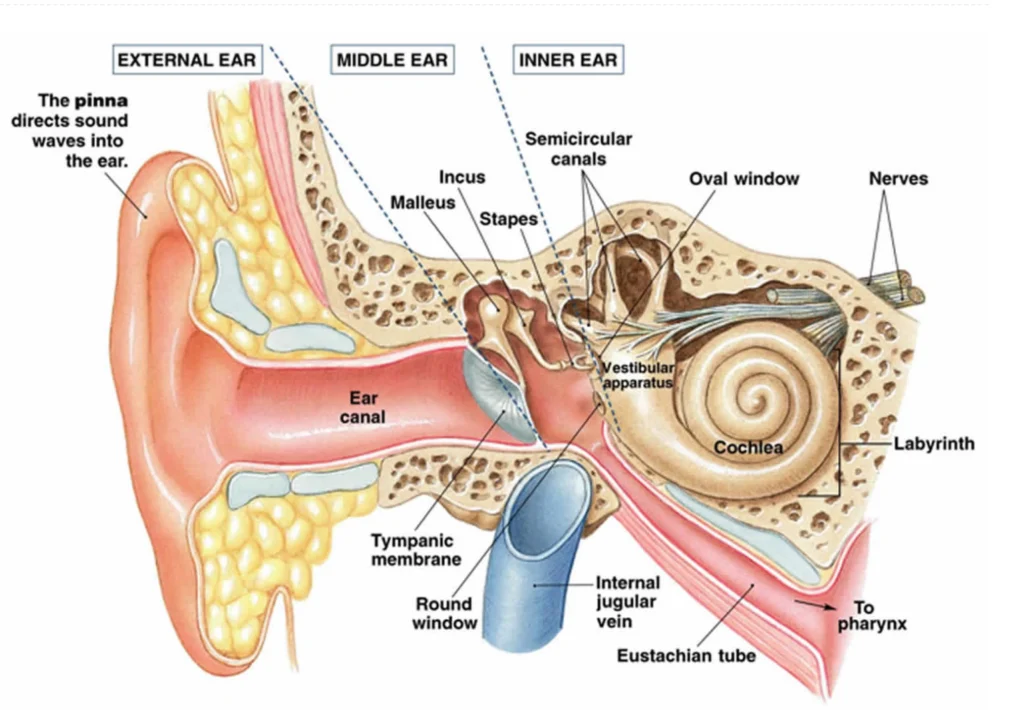
What Is Vertigo?
So what does vertigo feel like, exactly? Vertigo is a specific type of dizziness: a false sense that you, or the world around you, is spinning or moving, even when you’re perfectly still. It’s often accompanied by nausea, unsteadiness, and difficulty focusing your eyes, and it’s typically grouped into two categories based on where it originates.
Peripheral vs. Central Vertigo
Peripheral vertigo is by far the most common type and stems from a problem in the inner ear or the vestibular nerve that connects it to the brain. Central vertigo is less common and stems from a problem in the brain or central nervous system itself, and it generally needs prompt medical attention.
Types of Peripheral Vertigo
BPPV (Benign Paroxysmal Positional Vertigo)
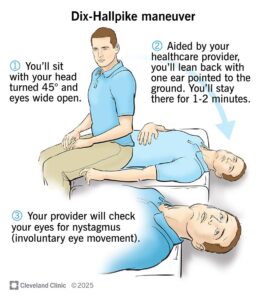
The most common cause of vertigo. Roughly half of adults over 50 experience at least one episode in their lifetime. It happens when small calcium crystals shift out of place in the inner ear, triggering brief, intense spinning with certain head movements like rolling over in bed. Diagnosis relies on the Dix-Hallpike maneuver, and most cases resolve after one or two in-office Epley maneuver sessions.
Meniere's Disease
A chronic inner ear disorder caused by a buildup of fluid that disrupts both hearing and balance signals. It’s marked by a distinct set of symptoms: vertigo, hearing loss, tinnitus, and a feeling of fullness in the ear, with attacks lasting anywhere from 20 minutes to 24 hours. It most often develops between ages 40 and 60. Georgia Upper Cervical also offers dedicated Meniere’s disease therapy alongside dietary and medical management.
Labyrinthitis
The most serious form, affecting an estimated 1 in 100,000 to 200,000 people. Blood vessels and organs are directly involved, carrying up to an 80% risk of a life-threatening complication, such as an arterial or organ rupture, by age 40. Requires close medical monitoring.
Vestibular Neuritis
Inflammation of the vestibular nerve itself, usually triggered by a viral infection. It causes sudden, severe vertigo that can last for days, but because hearing isn’t affected, it’s treated as a distinct condition from labyrinthitis.
Cervical Vertigo (Cervicogenic Dizziness)
Dizziness linked to problems in the neck, such as arthritis, injury, or misalignment in the cervical spine, rather than the inner ear. It tends to cause lightheadedness and unsteadiness more than true spinning, often overlapping with chronic neck pain, and it’s the subtype most directly tied to upper cervical alignment.
TMJ Vertigo
Vertigo linked to temporomandibular joint (TMJ) dysfunction, often triggered by teeth grinding, jaw trauma, or bite misalignment. Because the jaw and upper cervical spine are so closely connected, TMJ vertigo often responds well to care that addresses both areas together. Read more in our TMJ Vertigo blog post.
Central Vertigo
Central vertigo comes from a problem in the brain or central nervous system, such as a migraine, multiple sclerosis, a brain tumor, or a stroke. It’s less common than peripheral vertigo but tends to cause more severe imbalance and walking difficulty.
Seek emergency care if vertigo or dizziness comes on suddenly alongside any of the following:
- Slurred speech or trouble speaking
- Double vision or vision loss
- Weakness or numbness on one side of the body
- Severe headache unlike any before
- Sudden difficulty walking or loss of coordination
Dizziness vs. Vertigo: What's the Difference?
Vertigo is one specific type of dizziness, the kind that involves a false sense of spinning or motion. Dizziness is the broader term, covering everything from lightheadedness and unsteadiness to the true spinning sensation of vertigo. If you’ve been told you have “dizzy spells,” vertigo is one of several possible explanations, and a proper workup is what narrows it down.
Ready to Get Your Balance Back?
We’re currently accepting new patients at our Ball Ground office, serving as
your chiropractor in Atlanta and the surrounding area.
Who Gets Dizziness & Vertigo, and Why It Matters
Dizziness and vertigo affect people of every age, but a few patterns stand out in who’s most likely to experience them and why.
Adults Over 50
BPPV becomes far more common with age; roughly half of adults over 50 experience at least one episode in their lifetime, often tied to natural changes in the inner ear.
People Recovering from Head or Neck Trauma
Whiplash, concussions, and other injuries from falls or car accidents can trigger cervical vertigo or contribute to post-concussion syndrome-related dizziness.
People with Migraines, TMJ, or Inner Ear Conditions
Vestibular migraines, TMJ dysfunction, and a prior history of ear infections or Meniere’s disease all raise the likelihood of recurring vertigo.
Dizziness and vertigo are common, but they’re not something to just live with. An accurate diagnosis of the underlying cause is the first step toward real relief.

Vertigo & Dizziness Symptoms
Symptoms of vertigo and dizziness vary depending on the underlying cause, but they generally fall into three groups:
Vestibular & Balance
Spinning sensations, imbalance, unsteadiness, and difficulty standing or walking.
Neurological
Headaches, blurred or double vision, involuntary rapid eye movements (nystagmus), and difficulty concentrating.
Whole-Body
Nausea, vomiting, fatigue, and symptoms that often worsen with stress or dehydration.
How Is Vertigo Diagnosed?
If you’re trying to figure out what’s causing your dizzy spells, here’s what the diagnostic process typically looks like:
- Physical and neurological exam: assessing balance, eye movements, and reflexes.
- Dix-Hallpike maneuver: a positional test that reproduces BPPV-related vertigo and nystagmus.
- Vestibular test battery: measures inner ear and eye-movement responses to pinpoint the cause.
- Imaging (MRI or CT): rules out central causes such as stroke or brain lesions when red-flag symptoms are present.

Vertigo Treatment Options
When people search for vertigo treatment or a cure for vertigo, they’re usually looking for what actually works day to day. There’s no single cure that resolves every type, but the most effective vertigo treatments are matched to the specific cause:
Upper Cervical Chiropractic Care
Correction of upper cervical alignment for cervical- and TMJ-related vertigo.
Canalith Repositioning (Epley Maneuver)
Resolves BPPV in most cases, often within one or two in-office sessions.
Vestibular Rehabilitation Therapy
Exercises that retrain the brain to compensate for inner ear signals.
Meniere’s-Specific Care
Dietary sodium restriction, diuretics, and other therapies aimed at fluid-related vertigo.
Can a Chiropractor Help with Dizziness & Vertigo?
Chiropractor for Vertigo in Atlanta
If you’ve been searching for chiropractic treatment for vertigo, upper cervical chiropractic care can offer real support, especially when neck or jaw alignment is part of what’s driving your symptoms. For inner-ear conditions like BPPV, Meniere’s disease, or labyrinthitis, it works well as a complement to the medical management those conditions need.
Where a vertigo chiropractor can help most is with cervicogenic dizziness and TMJ-related vertigo, both of which are tied to alignment and tension in the neck and jaw rather than the inner ear. At Georgia Upper Cervical, we focus on the alignment of the top two vertebrae in your neck, close to the nerves and blood vessels that support balance and coordination.
Because a misalignment here can also show up as other signs of atlas misalignment, we start every case with a full evaluation to confirm upper cervical care is the right fit for your specific symptoms.
What to Expect at Georgia Upper Cervical

- A full history, including when your dizziness or vertigo started and what triggers it
- 3D imaging to assess alignment in the head and neck
- A personalized care plan built around your specific type of vertigo
- Coordination with your physician or ENT when an inner-ear or neurological cause is suspected
Why Patients Choose Georgia Upper Cervical
Georgia Upper Cervical Chiropractic has spent more than 10 years treating patients across North Georgia using Orthospinology, a precise, imaging-guided approach to upper cervical care. Dr. Ryan Klopfer, the practice’s founder, holds a Doctorate of Chiropractic from Life University and trained under Dr. James Ken Humber Jr., one of the field’s most respected Orthospinologists. Every case begins with a 3-D imaging and diagnostic system that pinpoints the exact misalignment before any adjustment is made. For patients with dizziness and vertigo, care focuses on correcting cervical misalignments that can disrupt the neck’s proprioceptive signals to the brain, a known contributor to cervicogenic dizziness.
10+ Years
Treating patients across North Georgia
200+
Consultations conducted each month
98%
What Our Patients Are Saying
Trustindex verifies that the original source of the review is Google. I had an excellent experience with this upper cervical specialist. From the moment I walked in, the care felt personalized and attentive. They really focused on what would make the biggest impact for my recovery, rather than taking a one-size-fits-all approach. Erica at the front desk was incredibly kind and welcoming, which set the tone right away. Dr. Klopfer took the time to listen, explain everything clearly, and never made me feel rushed during my visits. Most importantly, I’ve had great results and am feeling so much better after my car accident. I’m truly grateful for the level of care I received and would highly recommend them to anyone looking for thoughtful, targeted treatment.Posted on GoogleTrustindex verifies that the original source of the review is Google. Professional and dedicated to my care.Posted on GoogleTrustindex verifies that the original source of the review is Google. I have been visiting Ryan Klopfer at Georgia Upper Cervical since 2020, because of back issues which started in my 30’s. I was looking for instrument assisted chiropractic adjustments, which is very different from the hit or miss “neck cracking” which did not always work for me. Yes, there are other ways to get an adjustment. From the very first meeting with Ryan, he was very attentive and great at listening, never gave me the sense he was in a hurry or that I was holding him up, and I really felt that he was empathetic and truly cared. He explained his chiropractic process and expressed to me that his goal is not to create patients who require regular ongoing visits, but to actually address root causes, and hopefully see his patients less and less as time goes on. In the five years since that time, that’s exactly how things have gone for me and my wife. I sometimes have issues and I may need to see him semi regularly for a few weeks, then several months may go by and I’m perfectly fine and won’t see him for a while. I could go on, but to keep the review brief, I cannot recommend Ryan Klopfer more highly! Far away the best chiropractor my wife and I have ever worked with, and we both consider him a good friend as well.Posted on GoogleTrustindex verifies that the original source of the review is Google. From the moment you walk through the door to when you leave, the office is warm and inviting. Dr. Ryan and his assistant, Erica, are very knowledgeable and explain things in a way that makes it all easy to understand and why their adjustments work. They keep my body running in perfect harmony—I have fewer headaches, less illness and continued ease of mobility and flexibility from seeing this practice regularly. I am so grateful for their services and giving such a great alternative to modern medicine. Added bonus: after I get my adjustment, they offer what I call a “zen room”, where I lay back in a zero gravity chair, in a minimally lit room, with soft music playing and Erica gently places a nice heavy blanket on top for added coziness—sitting in that room for about 15 minutes is often the highlight of my busy week!Posted on GoogleTrustindex verifies that the original source of the review is Google. I am so incredibly thankful I found Dr. Klopfer. From the very first visit, I could tell he genuinely cares about his patients and takes the time to really listen. His approach is completely different from the typical “quick crack and go” experience. He carefully evaluates your specific needs and creates a customized care plan that is truly tailored to you. After just one visit and a shockwave therapy session with Erica, my lower back pain was gone. I was honestly shocked at how fast I felt relief. It was life changing for me. Now we’re working on my neck, and I’m already seeing such encouraging results. I am convinced that Erica works miracles in the shockwave room! What I appreciate most is that their goal isn’t to keep you coming in forever — it’s to help you heal and feel better so you can come in less often. That says so much about their integrity and the way Dr. Klopfer runs his practice. If you’re in pain and looking for someone who truly cares and delivers real results, I wholeheartedly recommend Dr. Klopfer. I’m so grateful for the difference he’s made for me. ????Posted on GoogleTrustindex verifies that the original source of the review is Google. After suffering for years with lower back and hip pain, I was very skeptical that anyone could help me. After one visit with Dr. Ryan Klopfer I was improved. After five weeks of weekly treatment I am very pleased with my progress. It's a process and I'm committed to it, and Dr. Ryan and Erica are doing a great job!Posted on GoogleTrustindex verifies that the original source of the review is Google. Dr. Ryan and really helped my get my pain controlled. I’m over 50 and have never gone to a chiropractor before. Dr. Ryan’s upper cervical approach is nothing like what I expected (crazy contortions and feeling like my neck was being broken). His use of X-rays, machines, and gentle adjustments led to great results!Posted on GoogleTrustindex verifies that the original source of the review is Google. Dr Ryan does an excellent job of creating alignment without cracking and is consistent in his approach to overall healthcare.
Frequently Asked Questions
What causes vertigo?
Vertigo is most often caused by problems in the inner ear, such as BPPV, Meniere’s disease, labyrinthitis, or vestibular neuritis. Less commonly, it stems from issues in the brain or central nervous system, including migraines, stroke, or multiple sclerosis.
What causes dizziness?
Dizziness has a wider range of causes than vertigo alone, including inner ear disorders, low blood pressure, dehydration, low blood sugar, anxiety, medication side effects, and cardiovascular or neurological conditions.
What does vertigo feel like?
Vertigo feels like a false sense of motion, most often described as the room spinning around you or a sensation that you’re spinning even while standing still. It’s frequently accompanied by nausea, unsteadiness, and difficulty focusing your eyes.
How do you get rid of vertigo?
Treatment depends on the cause. BPPV often resolves with the Epley maneuver, Meniere’s disease is managed with diet and medication, and vestibular rehabilitation therapy helps retrain balance for several types. Cervical- or TMJ-related vertigo may respond to upper cervical chiropractic care.
How can I stop dizziness fast?
Sitting or lying down until the sensation passes, focusing on a fixed point, staying hydrated, and avoiding sudden head movements can help in the moment. If dizziness is frequent or severe, it’s worth having the underlying cause evaluated rather than only managing individual episodes.
Can a chiropractor help with vertigo?
It depends on the cause. Upper cervical chiropractic care may help with cervicogenic (neck-related) vertigo and some TMJ-related cases, but it isn’t a treatment for inner-ear conditions like Meniere’s disease or BPPV, which need their own targeted approaches.
Can a chiropractor help with dizziness?
It depends on what’s behind it. If dizziness is connected to neck alignment or tension, upper cervical care may help as part of a broader plan. If it stems from an inner-ear, cardiovascular, or neurological cause, that needs to be addressed directly first.
How long does vertigo last?
It varies widely by cause. BPPV episodes typically last under a minute each, Meniere’s disease attacks can last 20 minutes to 24 hours, and vestibular neuritis can cause severe symptoms for several days with lingering unsteadiness for weeks.
Can vertigo be cured permanently?
Not universally. Some causes, like BPPV, often fully resolve with a repositioning maneuver, but others, like Meniere’s disease, are chronic and managed rather than cured. There’s currently no single treatment that permanently prevents all future vertigo episodes; read more in our blog post on curing vertigo permanently.
Sources +
- "Vertigo." Cleveland Clinic, my.clevelandclinic.org/health/symptoms/21769-vertigo. Accessed 4 Sept. 2026.
- "Dizziness." Cleveland Clinic, my.clevelandclinic.org/health/symptoms/6422-dizziness. Accessed 4 Sept. 2026.
- "Benign Paroxysmal Positional Vertigo (BPPV)." Cleveland Clinic, my.clevelandclinic.org/health/diseases/11858-benign-paroxysmal-positional-vertigo-bppv. Accessed 4 Sept. 2026.
- "Meniere's Disease." Cleveland Clinic, my.clevelandclinic.org/health/diseases/15167-menieres-disease. Accessed 4 Sept. 2026.
- "Labyrinthitis." Cleveland Clinic, my.clevelandclinic.org/health/diseases/22032-labyrinthitis. Accessed 4 Sept. 2026.
- "Vestibular Neuritis." Cleveland Clinic, my.clevelandclinic.org/health/diseases/15227-vestibular-neuritis. Accessed 4 Sept. 2026.
- "Cervical Vertigo (Cervicogenic Dizziness)." Cleveland Clinic, my.clevelandclinic.org/health/diseases/23174-cervical-vertigo. Accessed 4 Sept. 2026.
- "Epley Maneuver (Canalith Repositioning Procedure)." Cleveland Clinic, my.clevelandclinic.org/health/treatments/17930-canalith-repositioning-procedure-crp. Accessed 4 Sept. 2026.
- "Balance Disorders." National Institute on Deafness and Other Communication Disorders, U.S. National Institutes of Health, www.nidcd.nih.gov/health/balance-disorders. Accessed 4 Sept. 2026.
Ready to Talk It Through?
If you're dealing with ongoing dizziness or vertigo and have been searching for a chiropractor near Atlanta, GA, our team at Georgia Upper Cervical is here to listen and explain honestly where upper cervical care may or may not fit into your plan.
Ready to Take the First Step in Your Health Journey?
Lorem ipsum dolor sit amet, consectetur adipiscing elit. Ut elit tellus, luctus nec ullamcorper mattis, pulvinar dapibus leo.