How the Epley Maneuver Helps to Relieve Vertigo
The Epley maneuver is a common treatment of the vertigo associated with the inner ear disorder benign paroxysmal positional vertigo (BPPV).
Read More → Georgia Upper Cervical Chiropractic
Did you know that there are alternative treatments to drugs and surgery, such as non-surgical spinal decompression?
We educate patients on the anatomy of the spine and related injuries, causes of symptoms, and traditional treatments. This foundational knowledge is crucial for understanding the context and need for non-surgical spinal decompression or other treatments.
We raise awareness about non-surgical spinal decompression as a potential treatment option for certain spinal conditions. This includes explaining what non-surgical spinal decompression is, how it works, and its benefits compared to surgical and other non-surgical treatment methods.
We guide potential patients through the process of non-surgical spinal decompression, including what to expect during treatment, the duration and frequency of sessions, and how we customize our treatment to meet the individuals needs.
We assist readers in determining whether they are ideal candidates for this treatment by discussing who can benefit from it, conditions best treated with this method, and contraindications and limitations.
We provide you with an overview of scientific research and findings related to non-surgical spinal decompression, thereby helping you make an informed decision based on evidence.
We offer advice on how to integrate non-surgical spinal decompression into a broader treatment plan, including discussions on consulting healthcare professionals, combining treatments, and lifestyle changes.
We encourage readers to seek professional medical advice and consultation for their specific conditions. This blog post is not a substitute for professional medical assessment and treatment.
We want to engage with our patients by inviting you to comment and post questions, thereby building a community of individuals interested in spinal health and alternatives to medication and surgical treatment.
Spinal decompression therapy is an alternative, non-surgical and drug-free option for individuals suffering from chronic back pain. This therapy is particularly effective for conditions such as herniated or bulged discs, degenerative disc disease, posterior facet syndrome, sciatica or numbness and tingling in the arms or legs. It’s aim is to relieve pressure to the injured tissues stimulating a healing response. This procedure functions under the principle of spinal traction also referred to as “non-surgical spinal decompression therapy.”
A form of spinal decompression therapy that involves the use of a motorized device to gently stretch the spine. This method is often performed using a specialized table or similar equipment. The patient is typically secured to the table with harnesses around their pelvis and trunk. The motorized traction device then gently stretches the spine, creating a negative intradiscal pressure (vacuum effect) within the spinal discs.
The primary goal of motorized traction is to relieve back or neck pain and promote an optimal healing environment for bulging, degenerating, or herniated discs. The vacuum effect can reduce the pressure on the discs, which can lead to the retraction or repositioning of the disc material, thus reducing pressure on the nerves and other structures in the spine. This process also promotes the movement of water, oxygen, and nutrient-rich fluids into the discs to foster healing.
involves hanging upside down or at an inverted angle while secured by the legs, ankles, or feet. The idea is to use gravitational pull to relieve pressure on the spine, which can help in decompressing the spinal discs. Inversion tables are commonly used for this therapy.
While inverted, the spine is stretched, which can lead to decreased pressure on the discs and nerve roots. This stretching can temporarily relieve spinal pain and improve blood flow. Inversion therapy is often used by people with chronic lower back pain, poor circulation, sciatica, or scoliosis. However, it is not suitable for everyone, especially those with high blood pressure, heart disease, or glaucoma, due to the increased pressure on the body when inverted.
Traditional treatments for spinal compression typically focus on relieving the symptoms and improving function. These may include:
Non-steroidal anti-inflammatory drugs (NSAIDs), analgesics, or muscle relaxants can be used to relieve pain and inflammation.
Exercises can help improve strength, flexibility, and balance. Physical therapists can also teach you how to modify your activities to avoid pain.
These injections can help reduce inflammation and relieve pain temporarily.
Learning to avoid movements that worsen the pain and practicing better body mechanics.
In severe cases, where conservative treatments fail and symptoms are disabling, surgery may be recommended to create more space for the nerves or spinal cord. Common procedures include laminectomy, foraminotomy, or spinal fusion.
Each treatment plan is tailored to the individual’s specific symptoms and condition, and it’s important for patients to discuss their options with a healthcare provider.
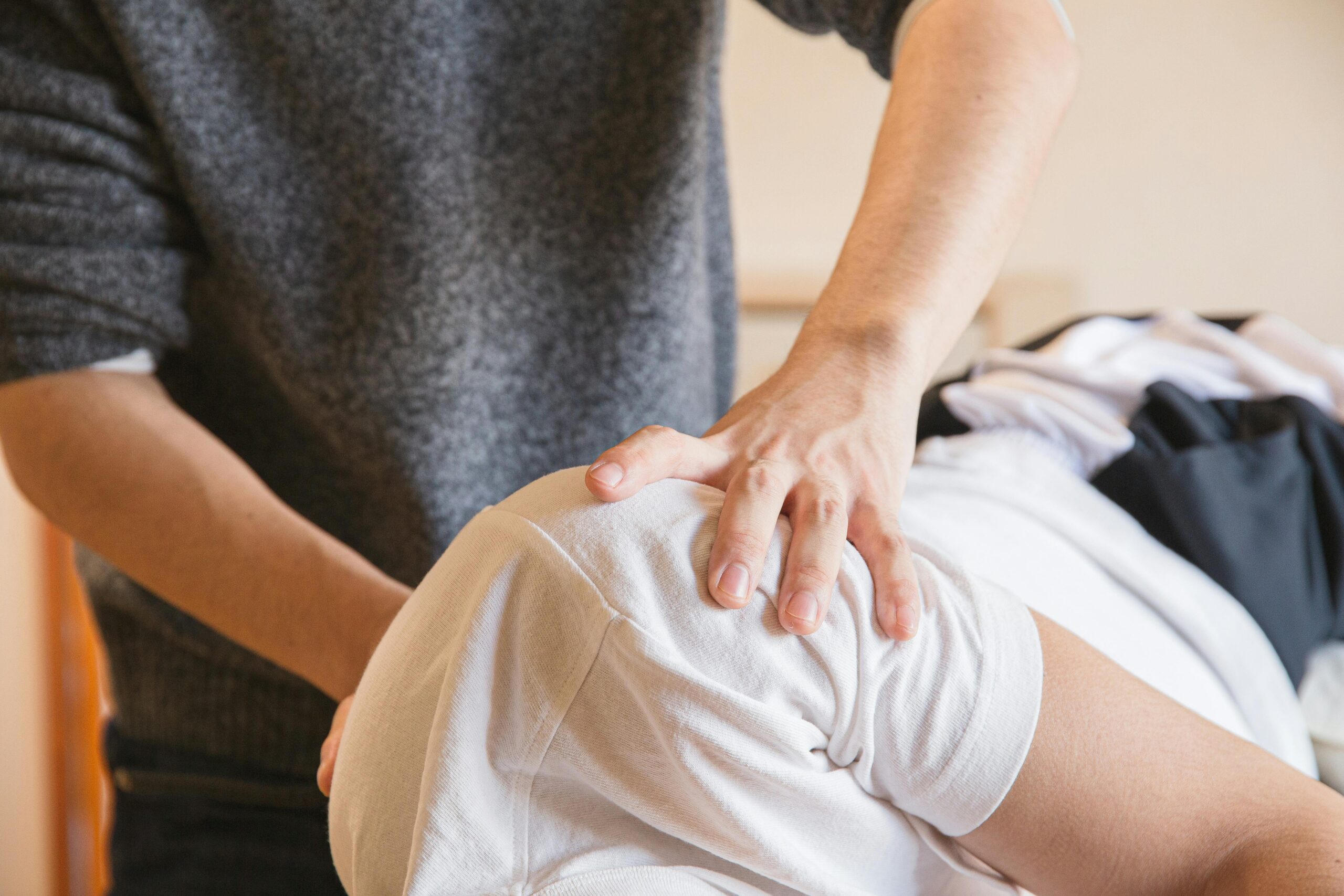
Physical therapy for spinal decompression involves a range of exercises and manual therapies. The exercises are designed to improve strength, flexibility, and posture, which can help alleviate pressure on the spine and nerves. Manual therapies may include massage, myofascial release, and mobilization techniques to improve spinal function and reduce pain.
Chiropractors use spinal adjustments (also known as spinal manipulation) to treat spinal related issues. These adjustments involve applying a controlled, sudden force to a spinal joint, aiming to improve spinal motion and improve the body’s physical function.
Each of these non-surgical methods has its own approach to treating spinal issues, and they can be used independently or in combination, depending on the individual’s specific condition and needs. It’s important for patients to consult with healthcare professionals to determine the most appropriate treatment approach for their particular case.
Learn more about the available non-surgical spinal decompression methods, any potential risks, and the treatment process here.
While we have discussed conservative treatment options such as spinal decompressions, we will now show you some situations that require surgery, along with their expected outcomes.
This is a condition where the spinal canal in the lower back narrows and compresses the spinal cord and nerves. This condition can sometimes require surgical intervention, particularly when conservative treatments have failed to provide relief. Additionally, severe disc herniations, called “sequestrations” can also require surgical interventions. Several options are available, each with specific techniques and expected outcomes. It is important to have a thorough discussion with your primary care provider and surgeon to assess the full risk and outcomes of the surgeries.
We’re currently accepting new patients at our Ball Ground office.
This is the most common surgery for lumbar stenosis. The surgeon removes the lamina, which is the back part of the vertebra that covers the spinal canal. This enlarges the spinal canal and relieves pressure on the nerves. In some cases, the surgeon may also remove bone spurs and parts of the ligaments that are contributing to the compression.
Laminectomy generally provides significant relief of symptoms like pain and numbness. However, it can potentially lead to spinal instability, which might require further surgical intervention.
Similar to a laminectomy, a laminotomy involves removing only a portion of the lamina. This less extensive removal can sometimes be sufficient to relieve pressure on the nerves.
It’s often used for milder cases of stenosis and can provide symptom relief while maintaining more spinal stability compared to a laminectomy.
In this surgery, the surgeon enlarges the vertebral foramen (the opening where nerve roots exit the spinal canal). This procedure relieves pressure on the nerves without removing the lamina.
It’s particularly useful when nerve compression is happening at the nerve root exit points and can effectively relieve symptoms related to nerve root compression.
If a herniated disc is contributing to the stenosis, the surgeon may perform a discectomy, removing the portion of the disc that’s pressing on the nerve.
This can relieve symptoms like sciatica that result from nerve root pressure.
If there’s significant instability in the spine, a spinal fusion might be performed, often in conjunction with a laminectomy. In this procedure, two or more vertebrae are permanently joined together using bone grafts and hardware like screws and rods. This stabilizes that section of the spine.
Fusion can provide long-term stability and pain relief but reduces the spine’s mobility and can lead to increased wear and tear on adjacent segments of the spine.
These are variations of the above procedures but done through smaller incisions and often with the aid of a microscope or endoscope. These techniques aim to minimize tissue damage and reduce recovery time.
They are generally associated with less postoperative pain and quicker recovery but are not suitable for all patients.
This less common option involves inserting a device between the spinous processes (the bony protrusions on the back of the vertebrae) to keep the space around the nerves open.
This can relieve symptoms but is generally less effective than more invasive procedures for severe stenosis.
The expected outcomes of these surgeries typically include relief from leg pain, improved function and mobility, and potentially some reduction in back pain. However, outcomes can vary based on factors like the patient’s overall health, the severity of the stenosis, and the presence of other spine-related issues. Post-surgery, physical therapy is often recommended to strengthen the back and improve flexibility.
It’s crucial for patients to discuss with their healthcare provider the risks and benefits of these surgical options, as well as potential complications such as infection, nerve damage, blood clots, or anesthesia-related risks.
For those deliberating between surgical and non-surgical options for spinal decompression, we encourage you to both speak to your family doctor and explore the comprehensive care provided at Georgia Upper Cervical in Ball Ground, GA. Our facility offers a state-of-the-art decompression table, catering to the needs of satisfied patients who have undergone or are currently undergoing non-surgical decompression therapy sessions.
Whether you’re considering surgical intervention or exploring non-invasive alternatives, our experienced team is dedicated to providing personalized care tailored to your unique needs. Schedule an appointment with Georgia Upper Cervical today to embark on your journey toward optimal spinal health and well-being and we will be happy to help you!